


What Really Happens to Closeouts That Never Sell.
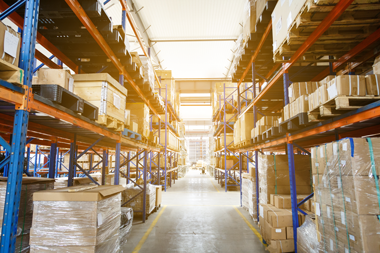
Nobody wonders where unsold products go. Shelves fill up, clearance tags appear, then the merchandise vanishes, often replaced by whatever's next. But what really happens to closeouts that never sell is more interesting than the disappearing act suggests: almost none of it actually disappears. It moves, finds a buyer, and works its way through a vast secondary market until it reaches someone who wants it. Different price, different channel, different timeline but it gets there. This secondary market for closeouts, excess inventory, and overstock is one of the biggest, least-understood pieces of the American consumer economy.
The journey of a product that cannot sell through its intended channel begins the moment a manufacturer, retailer, or importer acknowledges the reality. Maybe it is a line of overstock housewares that a retailer over-ordered for the holiday season. Maybe it is discontinued items from a product line that got refreshed before the existing inventory cleared. Maybe it is abandoned inventory from a retail account that cancelled its order mid-production, leaving a manufacturer holding thousands of units with no committed buyer. In every one of these situations, the merchandise does not simply vanish. It enters the secondary market and that is where the real story begins.
The first stop for most unsold closeouts is a professional closeout buyer or inventory liquidator. These are businesses, some of the largest closeout buyers and most trusted overstock buyers in the U.S., that purchase large quantities of excess inventory, wholesale closeouts, and closeout merchandise directly from sellers who need to convert stuck merchandise into working capital. A manufacturer who is liquidating overstock products reaches out to excess inventory buyers with a product manifest. Offers come in from established closeout buyers. A deal is struck. Freight is arranged. And what was sitting idle in a warehouse moves to the next stage of its journey often within days of the first phone call.
From the closeout buyer, the merchandise begins to branch across a remarkably diverse set of downstream channels. Dollar store chains are among the most active buyers of wholesale closeouts and excess inventory because their entire business model depends on a steady supply of quality branded merchandise at prices that allow them to sell profitably at their price points. Off-price retailers source overstock products and discontinued items to fill their shelves with branded goods at discount pricing. Flea market vendors purchase wholesale closeouts and closeout merchandise in pallet quantities and resell them to bargain-hunting consumers across the country. Online resellers buy excess inventory lots and list them unit by unit on e-commerce platforms where millions of consumers search for discounted branded goods every day.
Export buyers represent one of the most fascinating channels in the secondary market for closeouts and wholesale closeouts. International buyers from Latin America, Africa, Southeast Asia, and the Middle East actively seek American branded excess inventory and discontinued items for markets where U.S. consumer goods carry significant aspirational appeal. A line of overstock products that could not move through American retail at discount pricing may find a ready and enthusiastic market in another country where the brand recognition alone makes it desirable. Abandoned inventory that seemed impossible to place domestically can become highly sought-after merchandise in an export market. The largest inventory liquidators in the U.S. maintain active relationships with export buyers precisely because this channel extends the reach of the secondary market in ways that solve otherwise difficult placement problems.
What actually happens to closeouts that truly cannot find a buyer anywhere in the secondary market? This is rare for merchandise in good condition, but it does happen, particularly for highly specialized goods, merchandise with significant damage, or products with regulatory issues that limit resale. In these cases, the options narrow to donation, destruction, or recycling. Donation provides a tax benefit but no cash recovery. Destruction eliminates storage costs but recovers nothing and generates significant waste. Recycling recovers materials but not the value embedded in the finished goods. These outcomes are the genuinely last resort and they underscore why engaging the secondary market early, when excess inventory still has strong secondary market value, is so financially important for sellers who are looking to liquidate inventory or offload overstock products. If you are looking for closeout buyers you can try an online search using search terms like these: what is a closing out sale, liquidating inventory, wholesale closeouts, selling inventory in bulk, inventory liquidation, sell overstock inventory, sell excess merchandise, selling overstock items, sell off business inventory, sell excess inventory of toys, moving out closeouts, where to sell excess inventory, shutting down warehouse, keen to clear inventory in bulk, selling name brand closeouts, liquidating closeouts, selling overstock housewares, liquidate discontinued pet products, closeout solar lights, selling outdoor camping closeouts, eager to liquidate outdoor recreation closeouts, selling stationery closeouts, selling overstock products, offloading discontinued sporting goods, selling closeout seasonal merchandise, looking to get inventory off my hands, need to free up warehouse space for new products, where to liquidate inventory, who buys overstock products.
The timeline of value erosion for closeouts and excess inventory is one of the most important things sellers need to understand about the secondary market. Overstock products that are fresh and recently discontinued, recently returned from a cancelled order, recently identified as excess command the best pricing from excess inventory buyers and wholesale closeouts purchasers. As time passes, secondary market pricing softens. Trends shift. Packaging ages. Buyer interest moves to fresher merchandise. The abandoned inventory that was worth significant money in January may be worth a fraction of that by September. Sellers who engage the largest closeout buyers and most trusted overstock buyers early in the process consistently recover more value than those who wait - sometimes dramatically more.
The secondary market for closeouts, wholesale closeouts, and excess inventory exists because it solves a real and recurring problem on both sides of the market. Sellers who cannot move merchandise through primary channels get cash and free up warehouse space. Buyers who supply dollar stores, flea markets, online platforms, and export markets get quality branded merchandise at pricing that works for their business model. And consumers at every income level get access to products they want at prices they can afford. What really happens to closeouts that never sell is not a story of waste and disposal. It is a story of a remarkably efficient market finding value where others could not.
Merchandise USA has been buying closeouts, wholesale closeouts, excess inventory, overstock products, and discontinued items as one of the largest and most trusted closeout buyers in the U.S. for over 40 years. We know exactly what happens to closeout merchandise after it leaves your warehouse because we are the ones making sure it ends up somewhere valuable. If you have excess inventory, abandoned inventory, or overstock products that need to move, contact Merchandise USA today. We will make you a fast offer and take it from there.

